




At Artecola, we have a clear commitment to sustainable development and aim to be that “catalyst” element that breaks the paradigms that a chemical industry, especially adhesives, cannot innovate in sustainability. We offer the market alternatives that are less polluting, less harmful to workers and end users, without compromising profitability or sacrificing performance in their application. A fundamental part of our strategy focuses on the development of high-performance adhesives and sealants for different segments, but associated with sustainable, environmentally friendly formulations, promoting the use of renewable raw materials free of substances such as phthalates, aromatic and chlorinated solvents. Today, more than 67% of our sales come from products with a sustainable vocation.
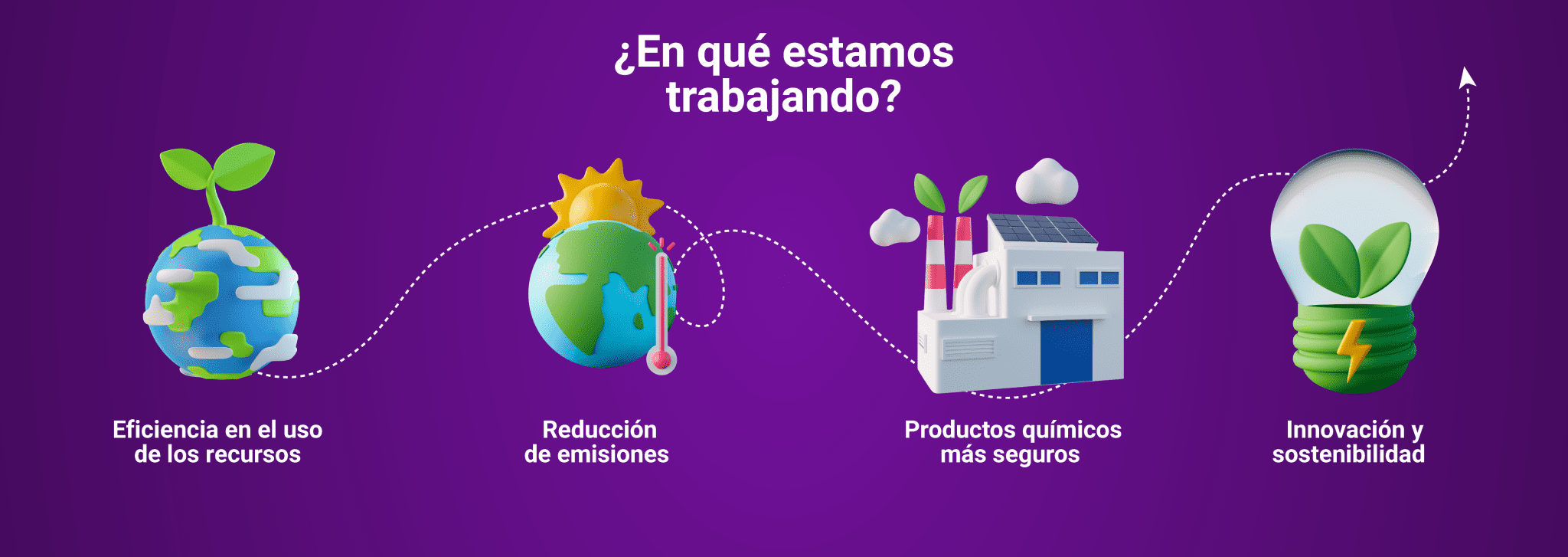
It is no secret that the chemical industry consumes large amounts of natural resources, such as raw materials and energy. To be sustainable, at Artecola we aim to optimize each process to minimize resource use and greatly reduce waste.
Chemical production generates greenhouse gas emissions and atmospheric pollutants. Chemical companies like Artecola are working diligently to reduce these emissions through much cleaner technologies and the adoption of renewable energy sources.
The chemical industry focuses on the development of safer and less toxic chemical products to reduce risks to human health and the environment. It also promotes regulation and the dissemination of information about chemical product safety.
Research and development of new sustainable chemical technologies and processes are important and essential to reduce the environmental impact of the industry. For this reason, at Artecola we seek alternatives to harmful chemical products and improvements in energy efficiency. Below, you will learn about some of our sustainable adhesive lines.
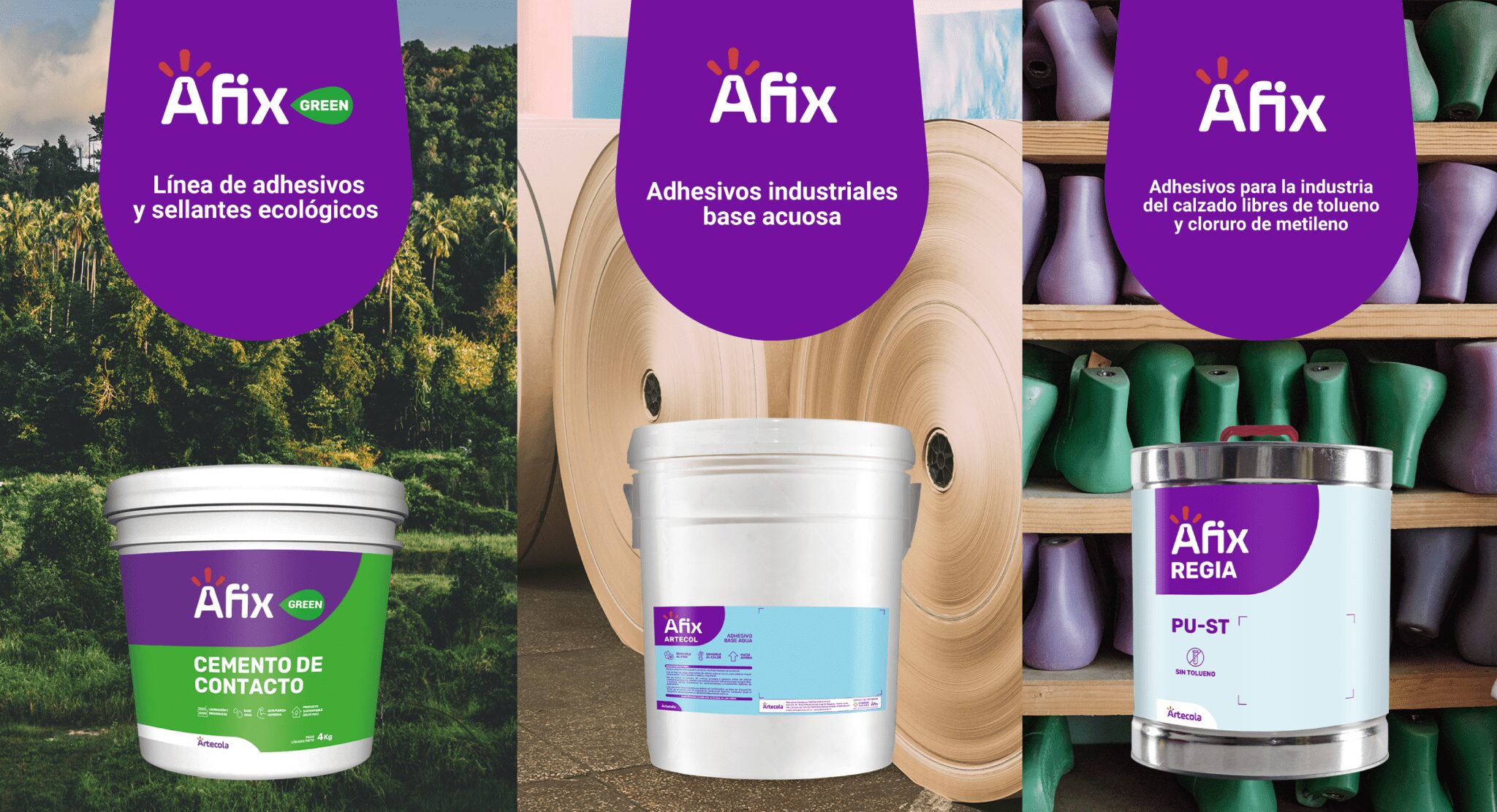
This line of eco-friendly adhesives and sealants is safe for use in enclosed spaces, even with limited ventilation, as they do not release volatile organic compounds (VOCs) that affect health and the environment. They can be used without protective equipment for workers, are non-flammable, have no strong odors, and allow nearly immediate use of the spaces where they were applied — a highly useful feature for projects such as schools, hospitals, and homes.
Targeted at the paper and packaging industry, they are used for binding books and notebooks as well as for sealing boxes of various products we use in our daily lives (food, beverages, medicines, clothing, etc.).
Toluene, an aromatic solvent used in polyurethane adhesive formulations for the footwear industry, in addition to being highly harmful to the environment (as it is toxic to aquatic life with long-lasting effects and contributes significantly to VOCs, not only because it is an organic solvent but also due to its high activity in producing tropospheric ozone), poses multiple risks to human health. Repeated exposure can affect the nervous system with permanent negative effects, impact the immune, renal, hepatic, and reproductive systems, and it is considered teratogenic and even a possible carcinogen.
On the other hand, methylene chloride is a chlorinated solvent also used in these formulations. However, it is harmful to the environment as it contributes to the depletion of the ozone layer in the stratosphere, has high volatility, and affects human health since it is considered a neurotoxin impacting the brain and nervous system, as well as being classified as carcinogenic and mutagenic.
For this reason, eliminating Toluene and Methylene Chloride from adhesive formulations is a priority, as well as minimizing the health risks faced by consumers when handling and using the products.
In general, the chemical industry has great potential to contribute to global sustainability if approached responsibly and if measures are taken to reduce its environmental and social impact. Collaboration between companies, governments, and civil society is essential to advance toward a much more sustainable chemical industry.